

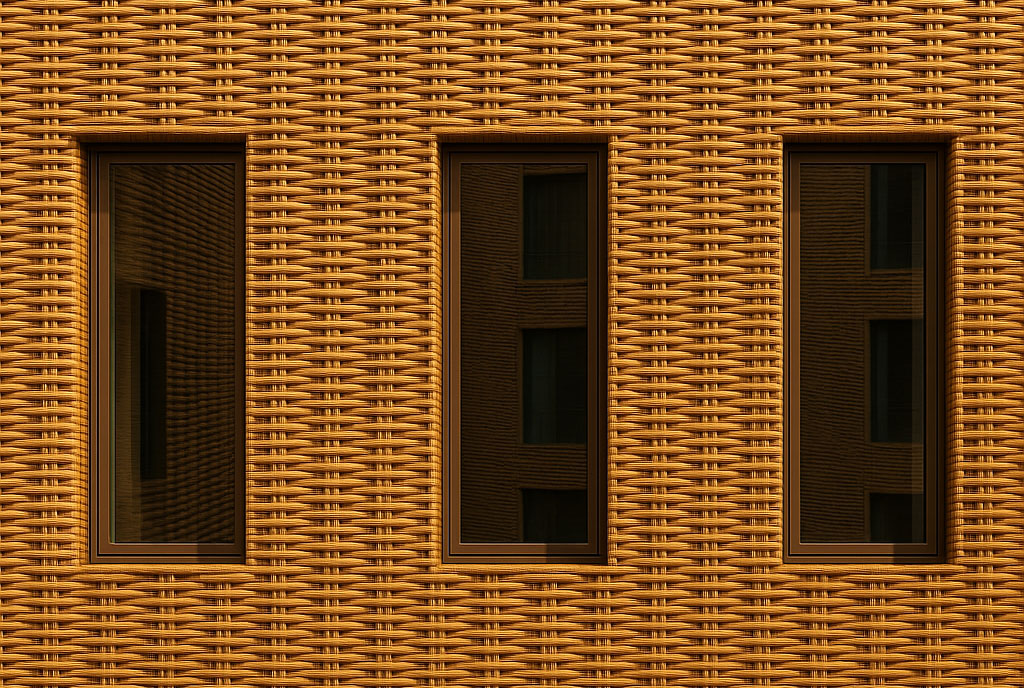
Decorative Elements for Interior and Exteriors
In the evolving world of design, decorative elements have become essential in defining spaces, enhancing beauty, and showcasing personality. Whether crafting a cozy living room or a welcoming outdoor retreat, the right decorative touches can dramatically transform both interior decoration and exterior decoration.
Interior Decorative Elements and Styles
Interior decoration revolves around bringing style, comfort, and identity to indoor spaces. Here are popular decorative elements commonly used to elevate interior aesthetics:
1. Wall Art and Paintings
From abstract canvases to framed photography, wall art adds personality and color to interiors. Styles range from minimalistic black-and-white to bold contemporary pieces that serve as conversation starters.
2. Molding and Trim
Crown molding, chair rails, and baseboards add architectural interest, especially in classical and transitional styles. These elements frame rooms, emphasize height, and lend a polished finish.
3. Lighting Fixtures Decorative Elements
Pendant lights, chandeliers, sconces, and recessed lighting not only provide illumination but act as statement pieces. Industrial, Scandinavian, and modern glam styles each approach lighting with a unique flair.
4. Curtains and Drapery
Textiles soften a room and enhance privacy. Bohemian interiors feature patterned and textured fabrics, while modern and minimalist styles favor sleek, neutral drapes.
5. Indoor Plants and Planters
Greenery breathes life into interior spaces, improving air quality and adding a fresh touch. Contemporary styles use geometric planters, while rustic and farmhouse aesthetics lean on terracotta and woven baskets.
6. Rugs and Carpets
Area rugs define spaces and anchor furniture. Oriental rugs are perfect for traditional interiors, while jute and flatweave options suit more casual or coastal styles.
Exterior Decorative Elements and Styles
Just as important as interior design, exterior decoration sets the tone for a property’s curb appeal and functionality. Here are key elements to consider:
1. Outdoor Furniture
Sofas, benches, and dining sets help define patios and gardens. Modern outdoor furniture emphasizes clean lines, while Mediterranean or coastal styles bring in soft hues and curvy silhouettes.
2. Garden Ornaments and Sculptures
Stone statues, fountains, and metal artwork add character to gardens. Traditional styles may feature cherubs or mythological figures, while contemporary designs favor abstract shapes.
3. Outdoor Lighting
String lights, solar lanterns, and LED pathway lights not only improve visibility but also enhance mood. Tropical themes favor warm, low lighting, while modern exteriors use integrated architectural lights.
4. Pergolas and Trellises
These structures create shaded lounging areas and add vertical interest. In Japanese or Zen garden styles, they complement the natural landscape. In rustic or Mediterranean settings, they often host climbing plants.
5. Potted Plants and Vertical Gardens
Potted arrangements allow for seasonal customization, while vertical gardens maximize greenery in small spaces. These are perfect for urban dwellings or tropical-inspired designs.
Versatile Materials: Rope and Synthetic Rattan
Among the many materials used in decorative elements, rope and synthetic rattan stand out for their durability and adaptability across styles and environments.
Advantages of Using Rope Material for Decorative Elements:
- Natural Aesthetic: Rope introduces earthy texture ideal for rustic, nautical, or bohemian interiors and exteriors.
- Durability: High-quality rope materials are weather-resistant and ideal for outdoor use.
- Flexibility: Used in wall hangings, furniture accents, curtain tiebacks, and plant holders.
- Affordable: Cost-effective for DIY **decorative elements** and easy to repurpose across multiple settings.
Rope decorations—like knotted plant hangers, rope mirrors, or wrapped railings—add tactile contrast and visual warmth, making them a go-to for eclectic spaces.
Advantages of Using Synthetic Rattan Material for Decorative Elements:
- Weather Resistance: Unlike natural rattan, synthetic variants withstand sun, rain, and humidity, making them ideal for exterior decoration.
- Fire Resistance: Certain types of synthetic rattan can be enhanced with a fire-resistant composite, offering improved protection against fire. This added layer helps safeguard walls more effectively in the event of unexpected impacts or high heat exposure.
- Low Maintenance: Easy to clean and doesn’t crack or fade easily.
- Stylish Appearance: Mimics the elegance of natural rattan while offering a sleeker finish in modern or transitional settings.
- Eco-Friendly Options: Many synthetic rattans are made from recycled materials, aligning with sustainable design goals.
Whether in the form of lounge chairs, planters, or light fixtures, synthetic rattan elevates both interior decoration and exterior decoration with a blend of tradition and contemporary style.
Incorporating thoughtful decorative elements is the key to personalizing any space. For interior decoration, elements like lighting, wall art, and textiles bring comfort and expression. On the other hand, exterior decoration benefits from functional beauty through furniture, greenery, and lighting.
Materials like rope and synthetic rattan provide versatility, longevity, and aesthetic value, making them excellent choices for sustainable and stylish design.
Let your space reflect your creativity—whether indoors or under the open sky.